August 14, 2026
RV Trip Planning 101: Essential Basics Every First-Time RVer Should Know
By Chelan Luxury Garages
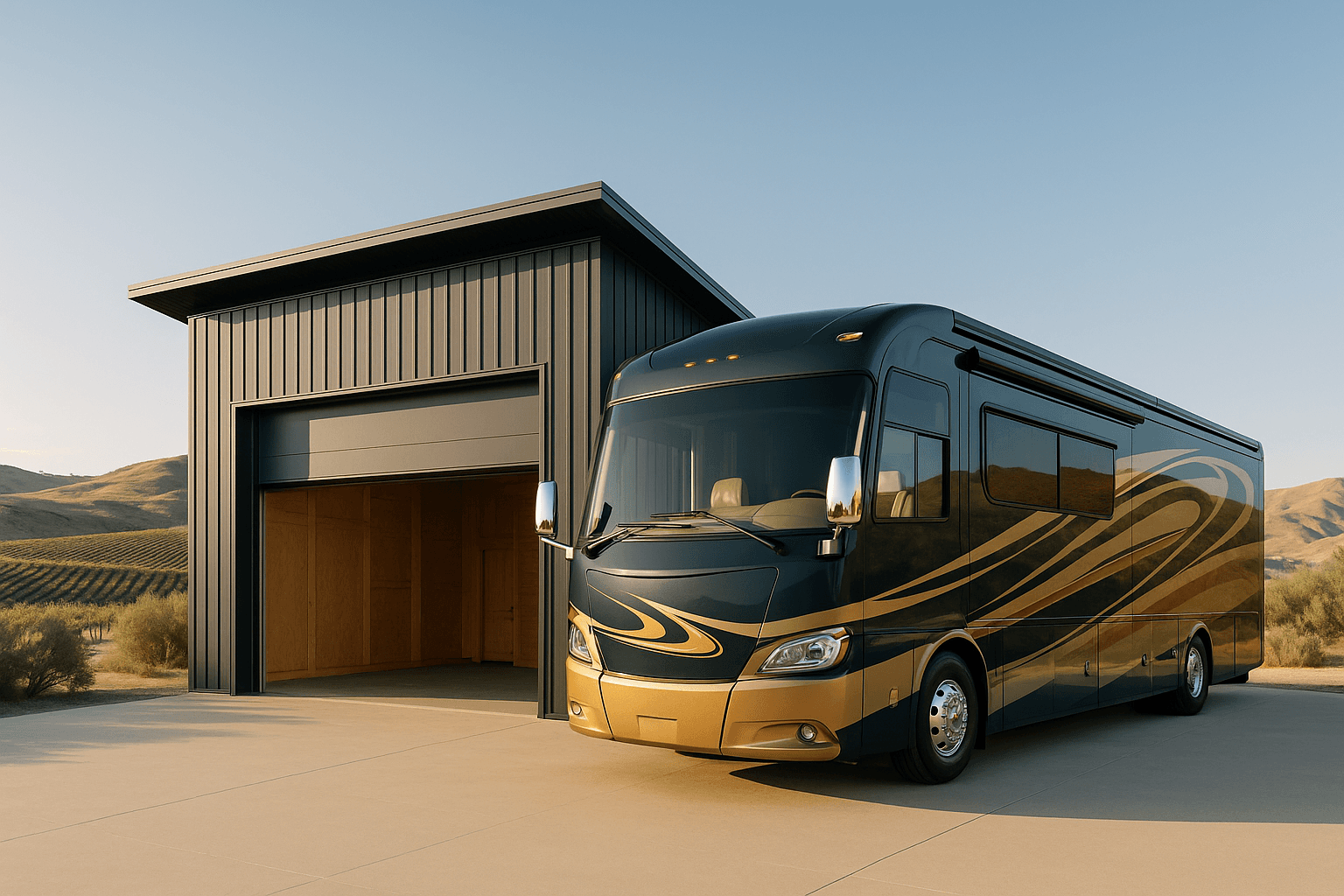
So you've caught the RV bug. Maybe it started with a friend's stories about sunset views over Lake Chelan, or a weekend spent parked lakeside with the awning out and the coffee brewing. Whatever sparked it, welcome — the RV lifestyle is one of the most rewarding ways to explore the Pacific Northwest and beyond. But before you can chase those wine-country sunsets or lakeside mornings, there's a learning curve every new RVer climbs.
This is not a step-by-step itinerary for a specific destination. Think of it instead as your foundational primer — the essential knowledge every beginner needs before their wheels ever hit the highway. Get these basics right, and every trip after your first will feel easier.
Understanding the Different Types of RVs
Before you plan a single mile, you need to know what you're driving (or towing). The RV world breaks down into a few broad categories, and each comes with its own learning curve:
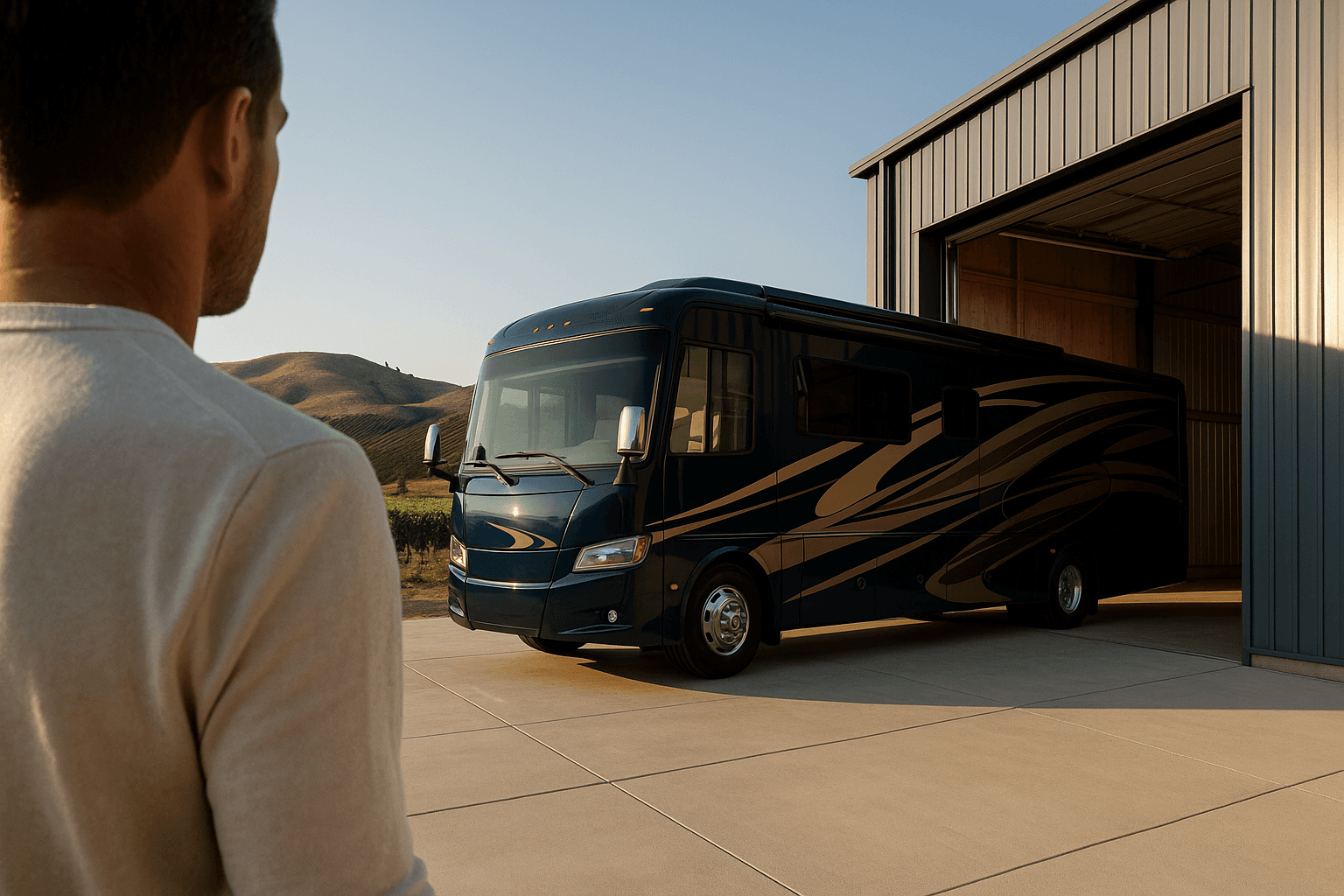
- Class A motorhomes — the largest, bus-style rigs, offering maximum living space but requiring the most driving confidence.
- Class B camper vans — compact, nimble, and easy to park almost anywhere, ideal for solo travelers or couples who prioritize mobility.
- Class C motorhomes — a middle ground with a distinctive over-cab sleeping area, popular with families.
- Travel trailers and fifth wheels — towable units that require a separate truck, offering flexibility since you can detach the trailer and use your tow vehicle for day trips.
If you don't own a rig yet, consider renting different classes for a weekend or two before committing. Your ideal RV depends on how you travel — full-timers, weekend warriors, and toy-haulers all have different needs.
Building Your First Route: Start Simple
New RVers often make the mistake of planning an ambitious cross-country loop for their maiden voyage. Resist that urge. For your first few trips:
- Choose a destination within a half-day's drive.
- Pick a route with wide, well-maintained roads rather than winding mountain passes.
- Build in extra time — RVs travel slower, and rest stops take longer than in a car.
- Research your campground or destination's rig-length restrictions and hookup availability before you leave.
A short, low-stress trip lets you learn how your rig handles, how long setup and teardown take, and what you forgot to pack — all without the pressure of a long itinerary.
The Essential Pre-Departure Checklist
Every seasoned RVer has a checklist ritual, and building yours early will save you from rookie mistakes. At minimum, your pre-departure routine should cover:
- Tire pressure and tread — RV tires bear enormous weight and deserve regular inspection.
- Weight distribution — know your rig's weight limits and avoid overloading, especially in the rear.
- Propane and battery levels — confirm both are charged and functional before departure.
- Water and waste systems — check your fresh water tank is full and your waste tanks are empty.
- Secure loose items — cabinets, drawers, and awnings should be locked down before you move.
- Hitch and towing connections — for towables, double- and triple-check hitch security, safety chains, and brake controllers.
Print this list, laminate it, and stick it inside a cabinet door. You'll thank yourself every single trip.
Packing Smart: What Beginners Forget
Beyond the obvious clothes and food, first-time RVers frequently overlook:
- Leveling blocks — essential for uneven campsites.
- A quality surge protector — protects your electrical system at campgrounds with inconsistent power.
- Basic tool kit and spare fuses — small fixes shouldn't end a trip early.
- Water pressure regulator — campground water pressure varies wildly and can damage plumbing.
- Sewer hose and gloves — not glamorous, but non-negotiable.
- Physical maps or offline navigation — cell service can vanish in mountain and lake regions.
Pack a designated "RV toolbox" that stays in the rig year-round, so you're never scrambling before a trip.
Booking Campgrounds and Understanding Hookups
New RVers are often surprised by hookup terminology. Here's the quick version:
- Full hookup sites offer water, sewer, and electric.
- Partial hookup sites typically offer water and electric only.
- Dry camping (or boondocking) means no hookups at all — you rely on your rig's onboard systems.
Book ahead, especially during peak summer season in destinations like the Lake Chelan Valley, where lakeside and wine-country campgrounds fill up fast. Confirm your rig's length is within the campground's site limits, and ask about pull-through versus back-in sites if you're still building your maneuvering confidence.
Budgeting for Fuel, Fees, and the Unexpected
RV trip costs go beyond fuel. Build a realistic budget that includes:
- Campground and reservation fees
- Propane refills
- Dump station fees (if not included at your site)
- Vehicle maintenance and tire wear
- A buffer for the inevitable — a blown fuse, a forgotten adapter, an extra night on the road
New RVers who budget loosely often end up stressed mid-trip. A little padding goes a long way toward keeping the experience joyful rather than nerve-wracking.
Learning to Back Up, Park, and Level
This is the skill every beginner dreads and every veteran laughs about later. A few tips:
- Practice in an empty parking lot before your first trip.
- Use a spotter whenever possible — hand signals or a walkie-talkie system work wonders.
- Invest in a set of leveling blocks and a bubble level; an unlevel rig affects everything from sleep comfort to refrigerator function.
- Don't rush. Backing up an RV or trailer is a skill, not an instinct, and it improves quickly with repetition.
Bringing It All Home to Lake Chelan
Once you've got the fundamentals down, the Lake Chelan Valley makes an ideal proving ground for new RVers — a manageable drive from major Pacific Northwest cities, stunning scenery, and a welcoming mix of lakeside camping and wine-country stops. Whether you're hauling a travel trailer for a weekend or piloting a Class C for the first time, this region rewards RVers of every experience level.
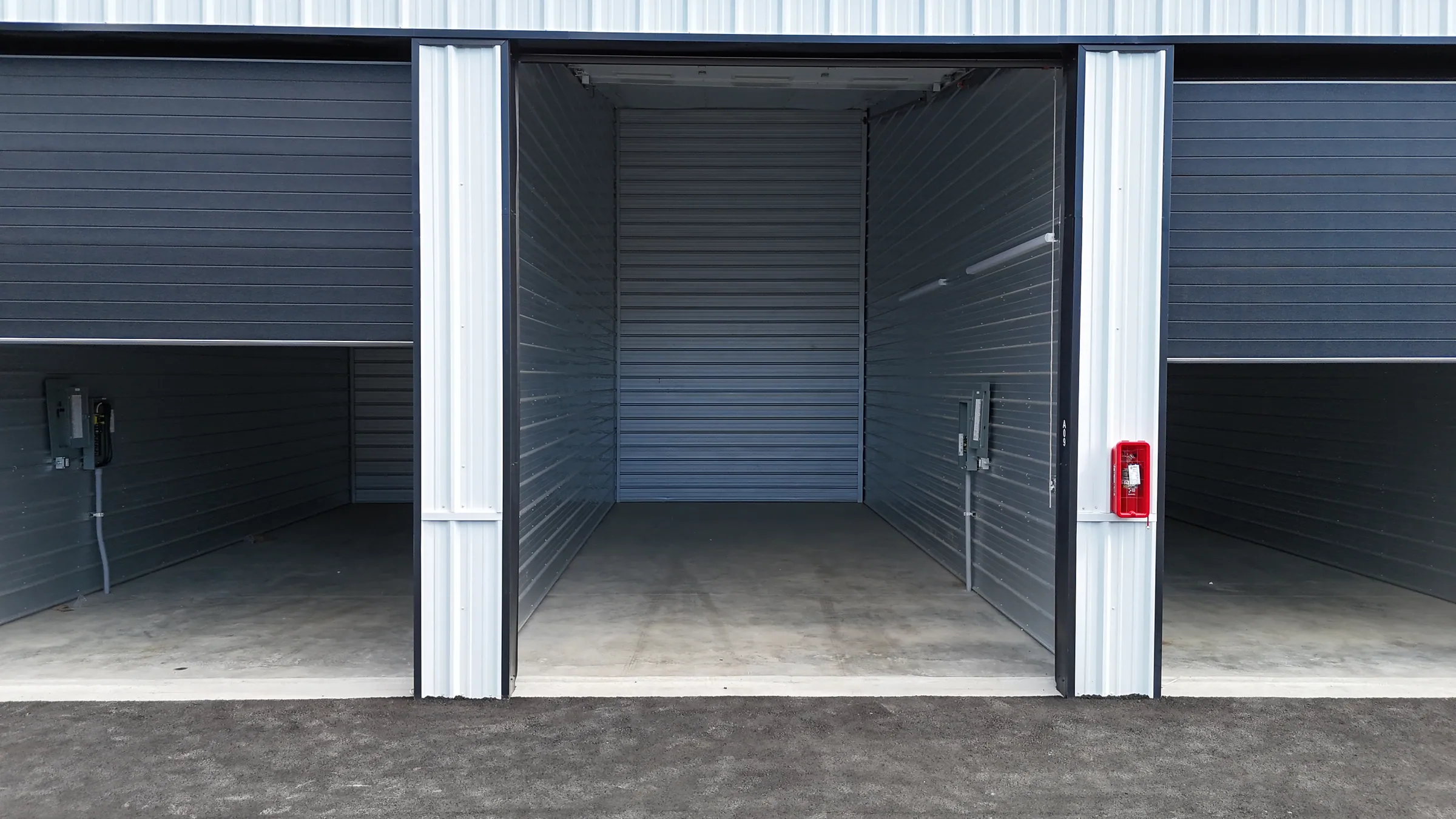
And for those whose RV lifestyle extends beyond weekend trips — owners who want secure, climate-conscious storage for their rig between adventures — a dedicated garage condo community offers peace of mind you won't get from a gravel lot or a shared storage yard.
Ready to Make Lake Chelan Part of Your RV Story?
Every great RV journey starts with solid fundamentals — and a place to call home base between trips. If you're building your RV lifestyle around Lake Chelan and want secure, private storage for your rig, Chelan Luxury Garage offers exactly that. Contact us today or schedule a tour to see how our garage condo community can support your next chapter on the road.